


Ozone therapy has become a meaningful part of integrative care for people looking to support detoxification, immune resilience, and overall vitality. At Avena Natural Health, we’re often asked about EBOO vs Ozone IV therapy, especially by patients who have already explored foundational treatments like IV nutrients or hyperbaric oxygen. The terms sound similar, and both involve ozone interacting with the blood, but the delivery methods and intensity differ in important ways.
Understanding those differences can help you make an informed decision that aligns with your health goals. The right option depends on what your body needs right now, and how much support you’re looking for.
What Ozone IV Therapy Involves
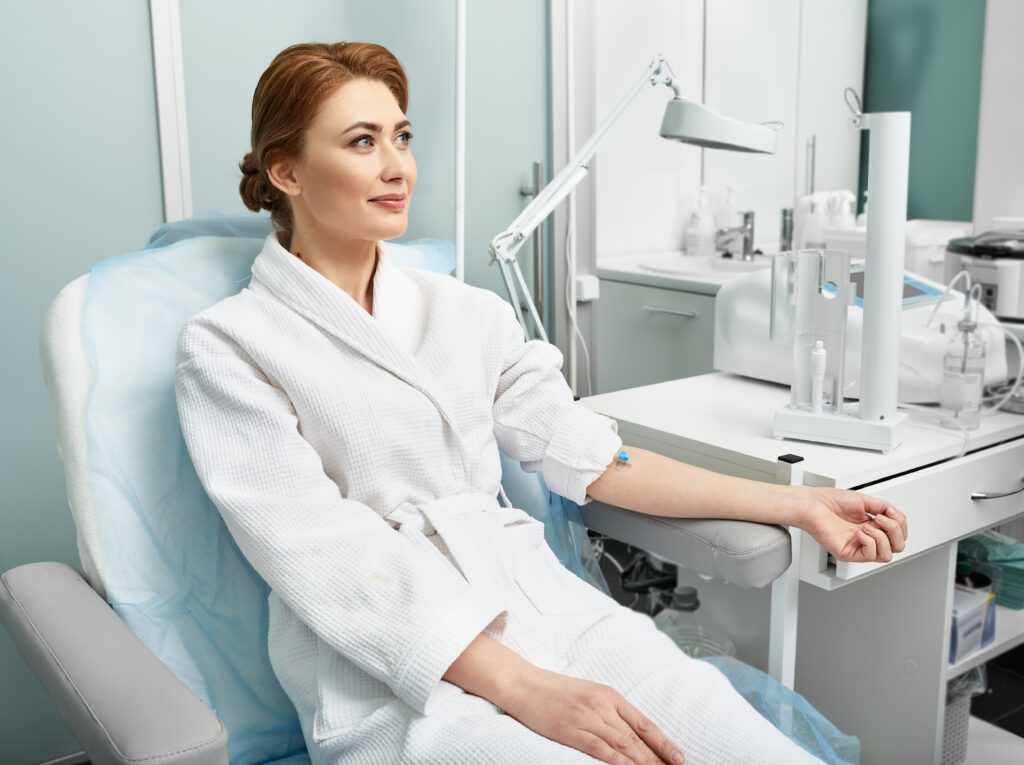
Traditional ozone IV therapy, often called major autohemotherapy, works by drawing a small amount of blood, mixing it with medical-grade ozone, and then reinfusing it back into the bloodstream. This process is designed to enhance oxygen delivery, support circulation, and stimulate immune modulation. Many patients appreciate that it’s straightforward, relatively quick, and pairs well with other therapies.
For individuals already receiving IV nutrient support or exploring options like HBOT in San Diego at Avena, ozone IV can complement those treatments by further encouraging cellular oxygen utilization. It’s frequently chosen by patients who want gentle but consistent support for inflammation, energy, or recovery.
When people compare EBOO vs Ozone IV therapy, this traditional approach is often seen as the entry point. It’s effective, efficient, and adaptable within a broader wellness plan.
How EBOO Therapy Expands on Ozone Treatment
EBOO, which stands for Extracorporeal Blood Oxygenation and Ozonation, takes ozone therapy several steps further. Instead of treating a small amount of blood and returning it, EBOO circulates a larger volume of blood outside the body through a specialized filtration system. The blood is oxygenated, exposed to ozone, filtered, and then returned continuously during the session.
Because of this extended circulation and filtration process, EBOO offers a more comprehensive detoxification experience. Many patients seek it out when they want deeper support for inflammatory burden, environmental toxin exposure, or chronic immune challenges. The treatment typically lasts longer than standard ozone IV therapy and involves a more advanced setup.
For patients already receiving IV therapy in San Diego with us, EBOO may be introduced as an elevated option when foundational support is no longer enough. It is often part of a strategic plan rather than a one-time intervention.
This is where the discussion of EBOO vs Ozone IV therapy becomes more nuanced. The difference is not about one being good and the other not. It’s about scope and intensity.
Comparing Detox, Circulation, and Immune Support
Both therapies aim to improve oxygen utilization and support immune balance, but they operate at different scales. Traditional ozone IV treats a smaller portion of blood at a time. EBOO processes a significantly larger volume, which can translate into a more robust detoxification effect.
Patients who are sensitive, new to ozone therapy, or looking for gradual progress often begin with ozone IV. Those dealing with heavier toxic load or seeking a more comprehensive reset may gravitate toward EBOO under clinical guidance.
When discussing EBOO vs Ozone IV therapy, it helps to think in terms of depth. Ozone IV is targeted and efficient. EBOO is broader and more intensive. Both can be integrated into a thoughtful, individualized plan rather than used in isolation.
Treatment Experience and Practical Considerations
From a practical standpoint, ozone IV therapy sessions are typically shorter and less complex. The procedure involves one IV site, and most patients feel comfortable returning to normal activities shortly afterward. It fits well into ongoing care plans that include nutritional IVs, lifestyle adjustments, and other integrative modalities.
EBOO sessions require more time and specialized equipment. Because blood is continuously filtered and oxygenated, the setup is more involved. Patients are monitored throughout, and appointments are longer. That said, many people appreciate the thoroughness of the process and the sense that they are addressing multiple layers of physiology in one session.
If you’re weighing EBOO vs Ozone IV therapy, it’s helpful to consider not only your health goals but also your schedule and readiness for a more in-depth experience. For a detailed overview of the advanced approach, you can learn more on our EBOO treatment page to understand how it fits into comprehensive care.
Choosing the Right Approach for Your Body
At Avena Natural Health, the decision between EBOO vs Ozone IV therapy is never made in a vacuum. We look at your full health picture, including labs, symptoms, lifestyle, and how your body has responded to prior treatments. Some patients benefit from starting with ozone IV and later transitioning to EBOO. Others may be candidates for EBOO earlier based on their clinical presentation.
What matters most is alignment. Ozone therapies are tools, not trends. Used thoughtfully, they can support detoxification pathways, immune resilience, and cellular energy in a way that feels steady and sustainable. The goal is not to overwhelm the system but to support it.
Building a Plan That Works for Your Body
Ozone therapy continues to evolve within integrative, naturopathic medicine, and both approaches have a place in personalized care. When comparing EBOO vs Ozone IV therapy, the real difference lies in scale, intensity, and how deeply you want to intervene at a given time. With the right assessment and guidance, each option can be used strategically to support long-term wellness.
If you’re curious which direction fits your needs, a personalized consultation can clarify the path. Thoughtful planning, experienced oversight, and a clear understanding of your body’s current state will always lead to the best outcomes.
Media Credit: All photos licensed from Adobe.
Book a 15-minute consult with an ND

Dr. Laura Kostrzewski, a San Diego native, completed her undergraduate degree at California Polytechnic State University, earning a BS in animal science with minors in Spanish and Psychology. She then earned her Multiple Subject Teaching Credential and taught fifth grade in the central coast of California for two years. After being extremely involved in her grandfather’s journey with Parkinson’s disease and end-of-life care, Dr. Kostrzewski decided to move back to San Diego and enroll at Bastyr University California. Dr. Kostrzewski received her doctorate in Naturopathic Medicine from Bastyr University California in June of 2019, and then went on to complete her residency at Bastyr. Before AVENA Wellness, DR. K started her own private practice, focusing on management of neurodegenerative conditions, and continued teaching at Bastyr as adjunct faculty, until founding Avena Health.