

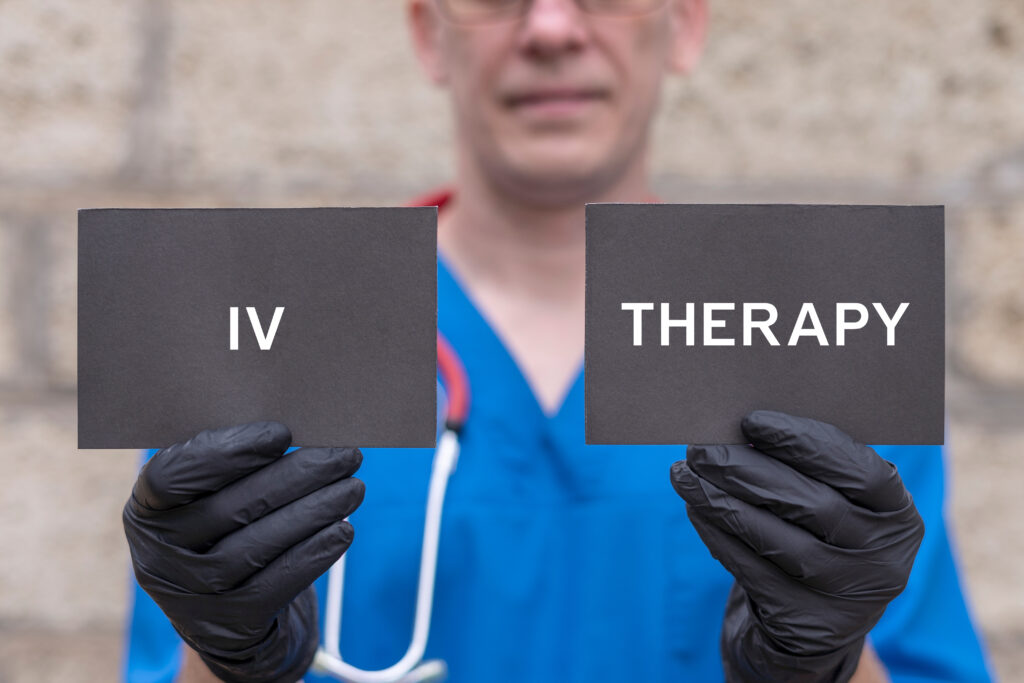

When most people picture an IV, they imagine a hospital room, a beeping monitor, and a medical crisis. That image sticks, and it fuels some of the most persistent IV therapy myths. The truth is far less dramatic. IV therapy has long been used in clinical settings because it delivers fluids, vitamins, and nutrients directly into the bloodstream with precision and efficiency. What has changed over time is not the science but the setting.
In integrative practices like Avena Natural Health, IV therapy is offered as part of a broader wellness strategy. It is not reserved for emergencies. It is used thoughtfully, often to support hydration, nutrient replenishment, immune resilience, or recovery during periods of stress. The same delivery method that hospitals rely on can also be used proactively in a calm, supervised environment. Debunking IV drip misconceptions starts with understanding that the method itself is neutral. Its purpose depends on how and when it is used.
IV Therapy Is Unsafe Or Risky
Another common belief is that IV therapy is inherently dangerous outside of a hospital. This idea tends to grow from unfamiliarity rather than evidence. When administered by trained medical professionals who review your health history, medications, and goals, IV therapy is designed with safety in mind. At Avena, treatment plans begin with careful assessment. Nothing is one size fits all.
Many IV therapy myths stem from the assumption that nutrients delivered intravenously are excessive or unnatural. In reality, the body still uses vitamins and minerals the same way it would if they were absorbed through digestion. The difference is that IV delivery bypasses the digestive tract, which can be helpful for people who have absorption challenges or higher nutrient demands.
Safety is not an afterthought. It is built into the process, beginning with a naturopathic consult in San Diego with us so that each infusion aligns with your medical background and wellness goals. Debunking IV drip misconceptions requires looking at the full picture, including the safeguards in place.
IV Drips Are Just Expensive Hydration
Hydration is part of IV therapy, but reducing it to expensive water misses the larger point. Yes, fluids are included because proper hydration supports circulation, cellular function, and overall vitality. However, many formulations also include targeted nutrients such as vitamin C, B vitamins, magnesium, or other compounds selected for specific outcomes.
The misunderstanding that IV therapy is nothing more than a trendy hydration fix contributes to ongoing IV therapy myths. Oral supplements have their place, but they must pass through the digestive system, where absorption can vary widely. With IV therapy, nutrients enter the bloodstream directly, allowing for controlled dosing under professional supervision.
That does not mean IV therapy replaces a balanced diet or healthy lifestyle. It complements them. When used strategically, it can support recovery from travel fatigue, intense physical training, immune stress, or prolonged depletion. Debunking IV drip misconceptions involves recognizing that hydration is a foundation, not the entire story.
You Can Get The Same Results From Oral Supplements
It is tempting to assume that swallowing a multivitamin is equivalent to receiving an infusion. In some cases, oral supplements are perfectly adequate. In others, they are limited by digestive factors, gut inflammation, enzyme function, or simple variability in absorption. The body does not absorb every nutrient at one hundred percent efficiency through the digestive tract.
This does not make oral supplementation ineffective. It simply means that the delivery method matters. IV therapy allows practitioners to provide nutrients in amounts and combinations that may be difficult to achieve through diet alone, especially during periods of increased need. One of the most persistent IV therapy myths is that all nutrient intake is interchangeable. It is not.
At Avena Natural Health, IV therapy is considered one tool among many. It is not a magic solution, and it is not positioned as a replacement for foundational health practices. Debunking IV drip misconceptions means acknowledging nuance. Sometimes oral support is sufficient. Sometimes intravenous delivery offers advantages. The right choice depends on the individual sitting in the chair.
IV Therapy Is A Trend With No Real Medical Basis
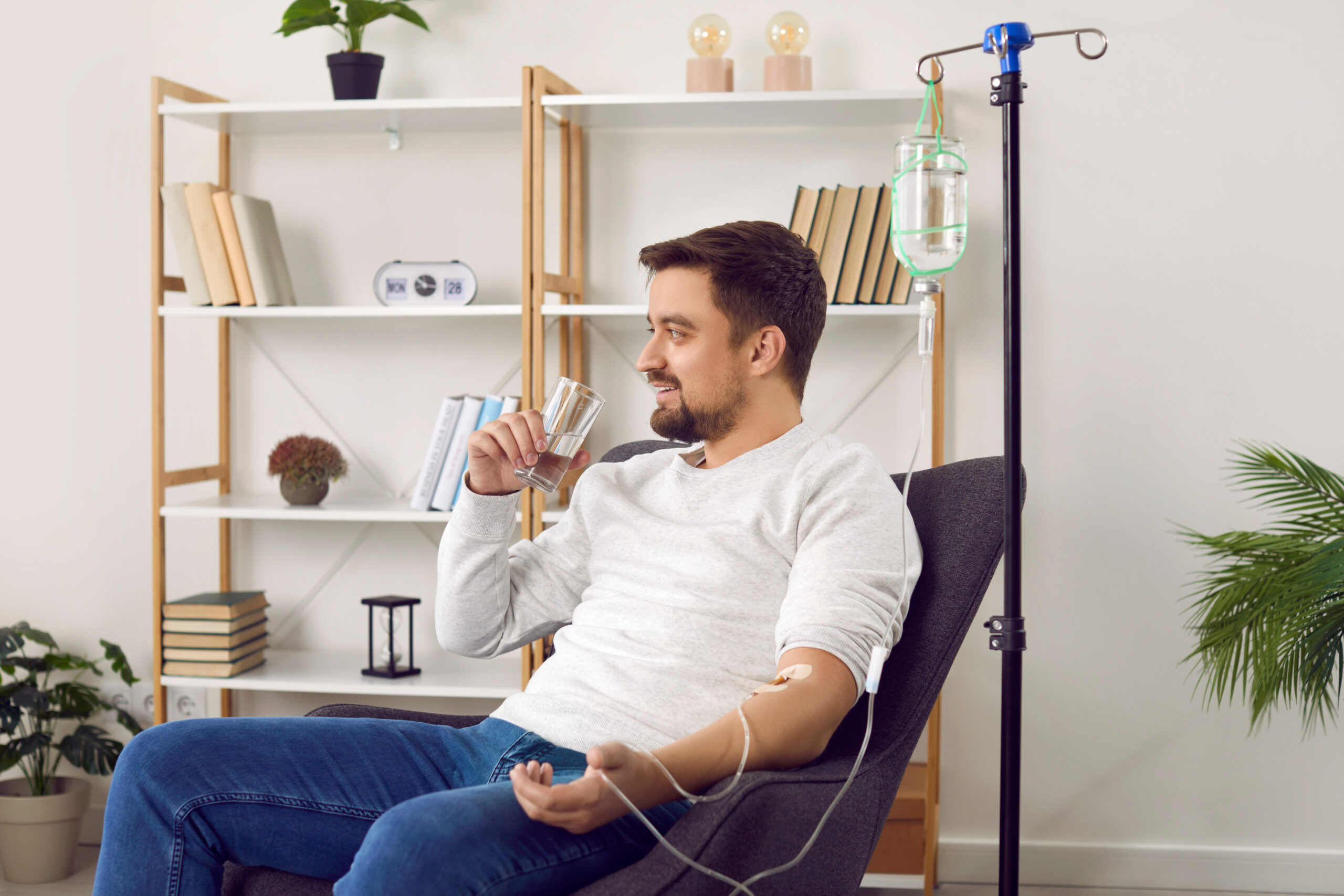
Skepticism can be healthy, especially in wellness spaces. The idea that IV therapy is simply a passing trend overlooks decades of medical use. Intravenous nutrient delivery has been part of integrative and conventional care for years, particularly in contexts such as severe deficiency, malabsorption, or acute illness. What feels new is the growing accessibility in outpatient wellness settings.
Calling it a fad is one of the more common IV therapy myths because it dismisses the clinical roots behind the practice. At Avena, IV therapy is integrated into comprehensive care. It is not offered in isolation or without context. It may be recommended as part of a larger plan that includes nutrition guidance, lifestyle adjustments, botanical medicine, or other supportive therapies.
When considering IV therapy in San Diego at Avena, patients are not stepping into a novelty experience. They are engaging with a medically supervised service grounded in physiology. Debunking IV drip misconceptions means separating social media narratives from clinical reality.
Only Sick People Need IV Therapy
Another misconception is that IV therapy is reserved for those who are seriously unwell. While it can support people navigating illness, it is also used by individuals who want to optimize recovery, maintain energy, or support immune resilience during demanding seasons of life. Wellness does not always mean waiting for something to go wrong.
This belief ties back to hospital imagery and reinforces certain IV therapy myths. In truth, integrative care often focuses on supporting the body before imbalance escalates. That approach is central to naturopathic philosophy. IV therapy can be part of that preventive mindset when recommended appropriately.
At Avena Natural Health, decisions are guided by clinical evaluation rather than marketing promises. Not everyone needs an IV. Some people benefit greatly. Debunking IV drip misconceptions involves moving away from extremes and toward individualized care that respects both the body and the science behind it.
Looking Past The Myths And Toward Informed Care
Misinformation tends to fill the space where understanding is incomplete. IV therapy myths persist because the image of an IV drip carries emotional weight, and because wellness conversations online can blur the line between hype and evidence. When you look more closely, what remains is a medical delivery method with a clear physiological basis, applied thoughtfully within a broader health plan.
Debunking IV drip misconceptions is not about convincing everyone to seek an infusion. It is about clarifying what IV therapy is and what it is not. At Avena Natural Health, it is offered as a supportive option, tailored to the individual and grounded in professional oversight. When myths are set aside, what remains is a straightforward question of fit. For some, IV therapy becomes a valuable part of their wellness strategy. For others, different tools make more sense. The key is informed choice, guided by experience and clinical care rather than assumption.
Media Credit: All photos licensed from Adobe.
Book a 15-minute consult with an ND

Dr. Laura Kostrzewski, a San Diego native, completed her undergraduate degree at California Polytechnic State University, earning a BS in animal science with minors in Spanish and Psychology. She then earned her Multiple Subject Teaching Credential and taught fifth grade in the central coast of California for two years. After being extremely involved in her grandfather’s journey with Parkinson’s disease and end-of-life care, Dr. Kostrzewski decided to move back to San Diego and enroll at Bastyr University California. Dr. Kostrzewski received her doctorate in Naturopathic Medicine from Bastyr University California in June of 2019, and then went on to complete her residency at Bastyr. Before AVENA Wellness, DR. K started her own private practice, focusing on management of neurodegenerative conditions, and continued teaching at Bastyr as adjunct faculty, until founding Avena Health.