


Menopause is not a disease, yet it can feel disruptive enough to demand real attention. Hot flashes, sleep changes, mood swings, brain fog, and shifting metabolism do not simply test patience, they affect daily life. When symptoms begin to interfere with work, relationships, and overall well-being, many women start weighing their options. The conversation often lands on one central comparison, prescription hormone therapy or plant-based, lifestyle-driven alternatives.
The discussion around HRT in San Diego vs natural remedies is rarely black and white. Both approaches can offer relief. Both come with tradeoffs. At Avena Natural Health, the focus is on looking at the whole person, not just a symptom list, and helping women make informed decisions that feel aligned with their bodies and values.
Understanding Hormone Therapy
Hormone replacement therapy works by supplementing estrogen, progesterone, or sometimes testosterone as levels decline. For many women, this can significantly reduce hot flashes, night sweats, vaginal dryness, and sleep disturbances. In certain cases, it also supports bone density and may protect long-term health when prescribed thoughtfully and monitored closely.
Still, the conversation around hormone therapy includes nuance. Some women tolerate it beautifully. Others experience side effects such as breast tenderness, headaches, or mood changes. There are also individual health histories to consider, including clotting risk and family patterns that may influence decision-making.
When people compare HRT vs natural remedies, the appeal of hormone therapy is often speed and potency. Symptoms can shift relatively quickly. That said, it is not always the first or only solution, especially for those seeking a more gradual or integrative path.
The Natural Approach To Perimenopause And Menopause
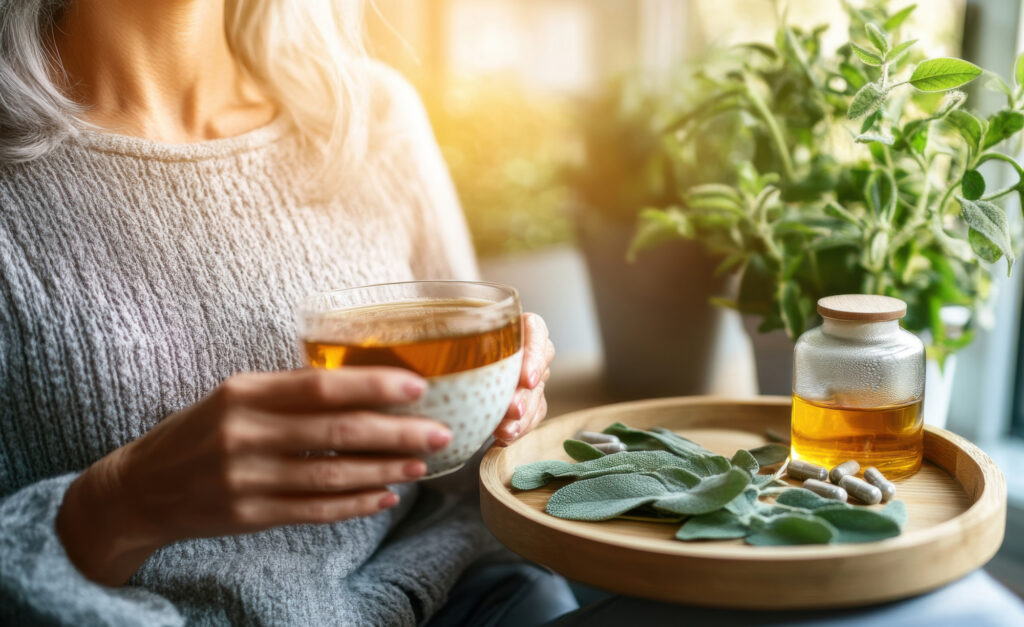
There is growing interest in supporting the body during perimenopause and menopause without immediately turning to prescriptions. Herbal medicine, nutritional therapy, stress regulation, and targeted supplementation all play meaningful roles in this model of care.
Botanical formulas such as black cohosh, dong quai, chaste tree berry, and adaptogenic herbs have been traditionally used to support hormonal balance. Nutrition becomes central as well, with an emphasis on stabilizing blood sugar, supporting liver detox pathways, and replenishing nutrients that decline with age.
What makes this approach appealing is its layered nature. Instead of replacing hormones, it aims to encourage the body’s own regulatory systems. Results can be steady rather than dramatic, and that can be reassuring for women who prefer a gentler transition. In the broader discussion of HRT vs natural remedies, this path often resonates with those who value root-cause support and personalized herbal strategies.
Addressing Hormonal Weight Gain Without Panic
Few topics spark as much frustration as hormonal weight gain. Metabolism slows, body composition shifts, and fat distribution changes, even when eating and exercise habits stay consistent. It can feel unfair, and often it is.
Hormone therapy may help stabilize some metabolic changes for certain women, particularly when estrogen decline is a driving factor. However, it is not a magic reset button. Weight management during menopause typically requires a broader lens.
Natural approaches focus heavily on blood sugar balance, adrenal health, and muscle preservation. Resistance training, adequate protein intake, sleep hygiene, and stress reduction are not glamorous advice, but they are effective. Herbal and nutritional protocols may also support insulin sensitivity and reduce inflammation.
When weighing HRT vs natural remedies, it helps to recognize that weight shifts are rarely solved by one single intervention. Sustainable change tends to come from combining strategies, rather than hoping for one pill or one tea to fix everything.
The Role Of Acupuncture And Chinese Medicine
Traditional East Asian medicine offers a different framework entirely. Rather than viewing menopause as a deficiency to correct, it sees it as a natural life transition that can be supported through energy balance and organ system harmony.
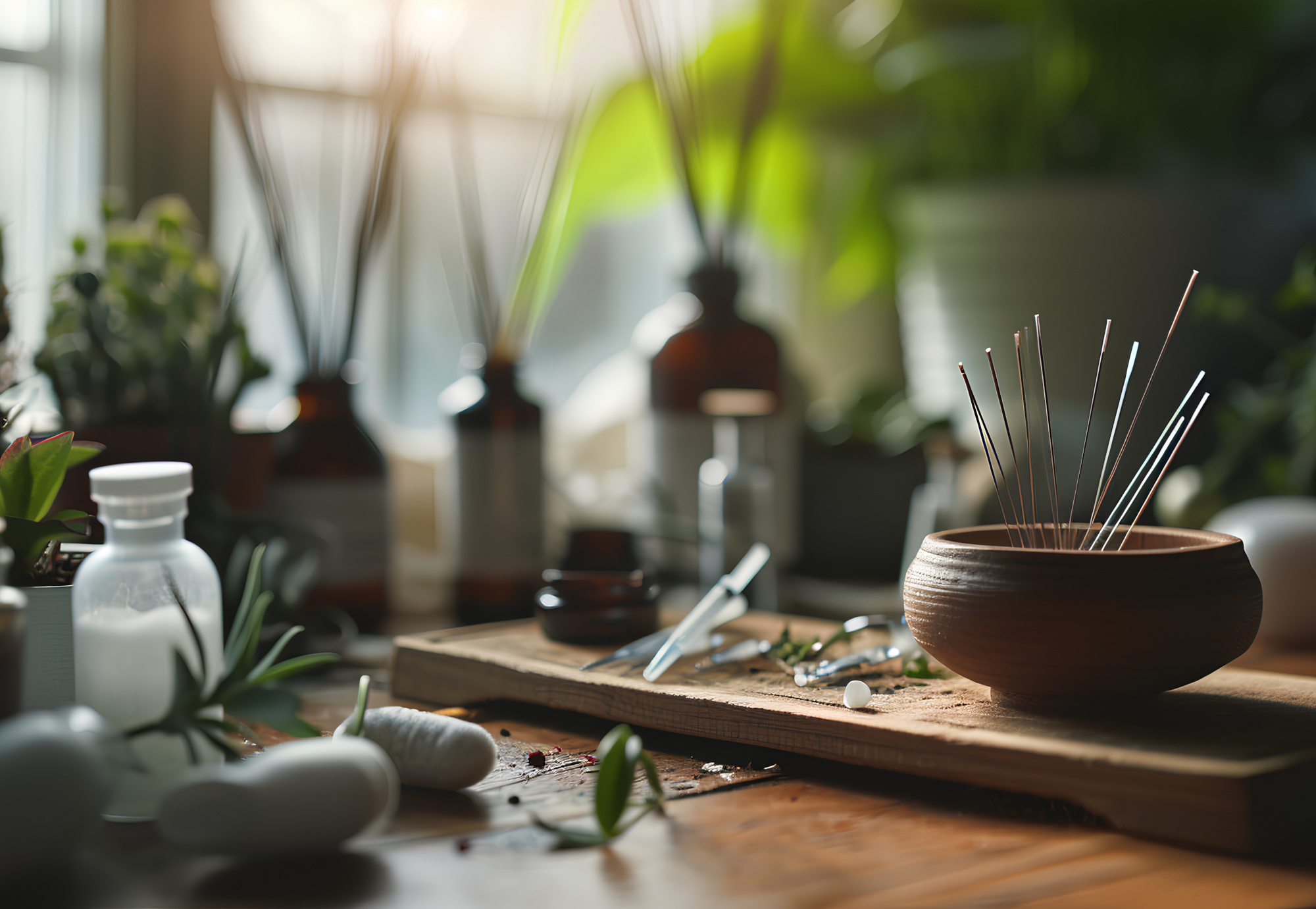
Acupuncture and Chinese Medicine are commonly used to address hot flashes, sleep disturbance, irritability, and fatigue. Acupuncture may help regulate the nervous system, improve circulation, and calm the stress response, all of which influence hormone fluctuations indirectly. Herbal formulas within this system are individualized, often adjusted as symptoms evolve.
Many women find that combining acupuncture with nutritional and herbal support creates a noticeable improvement in overall stability. In the larger conversation around HRT vs natural remedies, this integrative option often appeals to those who want hands-on care that feels both traditional and personalized.
Making A Decision That Fits Your Body
There is no universal right answer in the comparison of HRT vs natural remedies. You can get answers through a naturopathic consult in San Diego at Avena though. The best choice depends on symptom severity, personal health history, risk tolerance, and individual philosophy. Some women begin with lifestyle and herbal support and add hormone therapy later if needed. Others use a low-dose hormone plan while integrating natural therapies to support long-term balance.
What matters most is thoughtful evaluation rather than fear-driven decision-making. Menopause is not something to battle, but it does deserve attention. When care is tailored, monitored, and responsive to change, women often feel empowered rather than overwhelmed.
At Avena Natural Health, the goal is to help women understand their options clearly and compassionately. Whether someone chooses hormone therapy, herbal medicine, or a blend of both, the focus remains the same, supporting the body through transition with intention, respect, and practical tools that work in real life.
Finding Balance In The Transition
Menopause is a turning point, not an endpoint. It invites reassessment of health, priorities, and long-term wellness. Comparing hormone therapy with herbal and lifestyle-based care is part of that process, but the deeper goal is balance. When decisions are made with clarity and individualized support, the transition can feel less like something to endure and more like a phase to move through with confidence.
Media Credit: All photos licensed from Adobe.
Book a 15-minute consult with an ND

Dr. Laura Kostrzewski, a San Diego native, completed her undergraduate degree at California Polytechnic State University, earning a BS in animal science with minors in Spanish and Psychology. She then earned her Multiple Subject Teaching Credential and taught fifth grade in the central coast of California for two years. After being extremely involved in her grandfather’s journey with Parkinson’s disease and end-of-life care, Dr. Kostrzewski decided to move back to San Diego and enroll at Bastyr University California. Dr. Kostrzewski received her doctorate in Naturopathic Medicine from Bastyr University California in June of 2019, and then went on to complete her residency at Bastyr. Before AVENA Wellness, DR. K started her own private practice, focusing on management of neurodegenerative conditions, and continued teaching at Bastyr as adjunct faculty, until founding Avena Health.